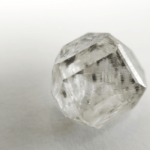
Carat weight is perhaps the most well-known of the 4C’s, as it refers to the size and mass of the diamond. One carat is equal to 200 milligrams, and the larger the diamond, the more valuable it tends to be. However, it’s important to note that carat weight is just one factor in determining a diamond’s value, and other factors such as clarity and cut can have a significant impact as well.
02
Clarity
Clarity is another important factor, as it refers to the presence or absence of internal and external flaws within the diamond. These flaws, also known as “inclusions” and “blemishes,” can range from tiny specks to more noticeable marks, and can impact the diamond’s appearance and overall value. Diamonds that are considered “flawless” or “internally flawless” are the most highly prized, as they are extremely rare.
03
Color
Colour is also a crucial factor, as diamonds that are completely colourless are the most valuable. However, many diamonds have a slight tint of colour, which can range from yellow or brown to pink, blue, or even green. The colour of a diamond is determined by its chemical composition and is graded on a scale that ranges from D (colourless) to Z (light yellow or brown).
04
Cut
Cut is the fourth and perhaps most complex of the 4C’s, as it refers to the diamond’s proportions, symmetry, and overall finish. A well-cut diamond will reflect and refract light in a way that maximizes its brilliance and sparkle, while a poorly cut diamond may appear dull and lifeless. Cut is also closely tied to the diamond’s shape, with popular shapes including round, princess, emerald, and pear.
Lab-grown diamonds are diamonds that are grown in a laboratory setting, rather than being mined from the earth. They have the same chemical, physical, and optical properties as natural diamonds, but are more environmentally sustainable and affordable.
Q: How are lab-grown diamonds different from natural diamonds?
Lab-grown diamonds are virtually identical to natural diamonds in terms of their chemical, physical, and optical properties. However, they are grown in a controlled laboratory setting, rather than being mined from the earth. This makes them a more environmentally sustainable and ethical choice.
Q: Are lab-grown diamonds of lower quality than natural diamonds?
<spanstyle="display: inline-block; text-align: justify; width: 100%;">No, lab-grown diamonds are not of lower quality than natural diamonds. In fact, they are often of higher quality, as they are grown in a controlled environment that allows for more precision and consistency in the diamond's characteristics.
Q: Are lab-grown diamonds cheaper than natural diamonds?
<spanstyle="display: inline-block; text-align: justify; width: 100%;">Yes, lab-grown diamonds are typically less expensive than natural diamonds of similar quality and size. This is because they do not require the same costly mining and processing methods as natural diamonds.
Q: Are lab-grown diamonds certified?
<spanstyle="display: inline-block; text-align: justify; width: 100%;">Yes, lab-grown diamonds are certified by Leading Gemological Institutes, just like natural diamonds. This ensures that they meet strict quality and authenticity standards.
Q: How long does it take to produce a lab-grown diamond?
<spanstyle="display: inline-block; text-align: justify; width: 100%;">The time it takes to produce a lab-grown diamond can vary depending on the size and quality of the diamond being produced. However, it typically takes several weeks to several months for a lab-grown diamond to be fully grown.
Q: What is the warranty on lab-grown diamonds?
<spanstyle="display: inline-block; text-align: justify; width: 100%;">The warranty on lab-grown diamonds can vary depending on the manufacturer and retailer. However, most lab-grown diamond companies offer a warranty that covers any manufacturing defects or damage that may occur. Be sure to check the specific warranty policy before purchasing.
Q: How do I know if a lab-grown diamond is right for me?
<spanstyle="display: inline-block; text-align: justify; width: 100%;">Choosing a lab-grown diamond is a personal choice that depends on your values, budget, and preferences. If you are looking for an environmentally sustainable and ethical alternative to natural diamonds, then a lab-grown diamond may be right for you.