How Minimalist Fine Jewelry Became a Global Power Trend — And Why It’s Here to Stay
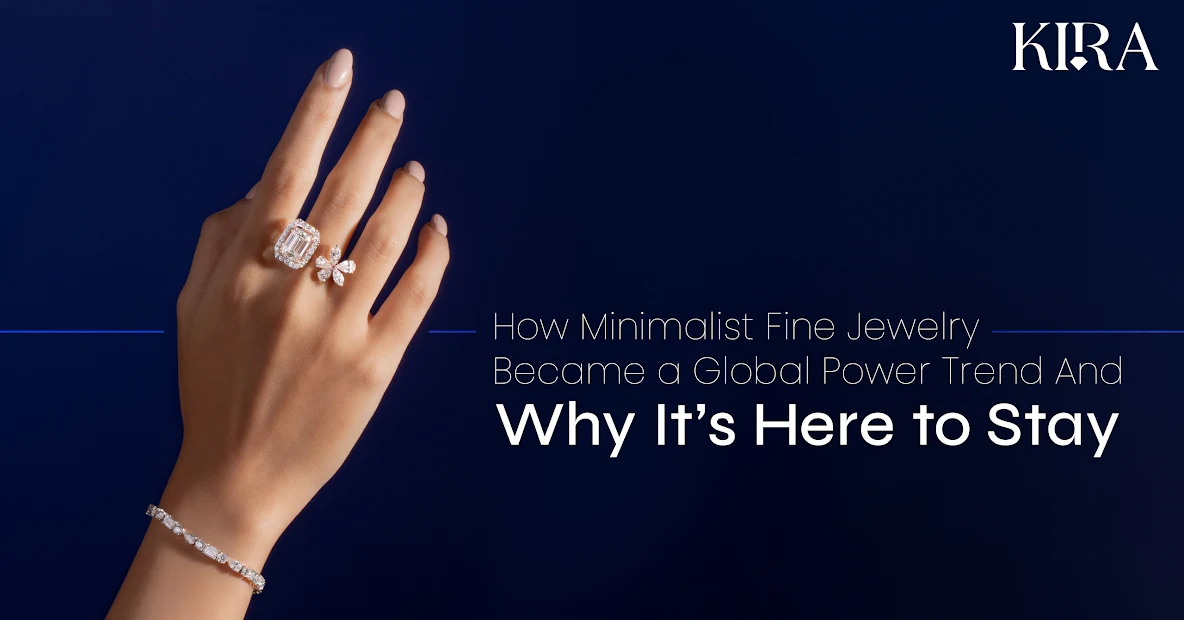
In the last decade, the world of fine jewelry has undergone a quiet revolution. Statement pieces, heavy sets, and ornate designs still have their place, but a new aesthetic has redefined the global luxury narrative — minimalist fine jewelry.
What began as a subtle fashion shift is now a defining pillar of modern fine jewelry, seen across runways, red carpets, and everyday style alike. This evolution is not just about aesthetics. It represents a deeper cultural shift toward refinement, intentionality, and wearable elegance. And it’s not a fleeting phase — it’s a lasting lifestyle code.
1. The Rise of “Quiet Luxury” in Fashion
From New York to Seoul to Mumbai, luxury fashion has embraced a design language of restraint. Clean silhouettes, neutral palettes, and versatile investment pieces dominate wardrobes — and naturally, jewelry followed.
Consumers now seek:
- Understated elegance
- Timeless appeal
- Jewelry that enhances personality, not overwhelms it
- Pieces that transition seamlessly from day to night
Minimalist luxury jewelry — slim bands, petite pendants, geometric accents, and bezel-set solitaires — has become the natural extension of this philosophy. It is luxury that doesn’t demand attention, but earns admiration through craftsmanship and clarity.
This is where trendy fine jewelry has shifted — from being showy to being subtle, from excess to essence.
2. Consumers Want Versatility, Not Volume
Today’s jewelry buyers, particularly in the U.S., no longer shop for occasion-specific pieces. Instead, they seek adaptable designs that integrate into their lifestyle — not just their wardrobe.
One piece should transition through:
- Work meetings
- Casual brunches
- Airport looks
- Weddings and evening wear
Modern fine jewelry now places function and form on equal footing. A delicate solitaire ring or micro pavé diamond bracelet can be styled with denim, silk, or linen — and look equally elegant.
Minimalism doesn’t mean sacrificing impact. It means amplifying meaning.
3. Social Media & Subtle Aesthetics: A Powerful Match
Platforms like Instagram, Pinterest, and TikTok have played a critical role in elevating minimalist fine jewelry to iconic status. Jewelry aesthetics — particularly close-ups of ear stacks, neckline layers, and ring styling — appear more premium when designs are airy, refined, and clean.
The trend of “second-skin jewelry” is born from this — lightweight, close-fitting, and deeply personal pieces that reflect identity rather than just taste.
Social media has turned visual storytelling into a core part of jewelry shopping. And nothing photographs better — or more aspirationally — than minimalist luxury jewelry.
4. Lab-Grown Diamonds Made Minimalism More Accessible
Minimalism in jewelry thrives on precision. Clean lines, calibrated stones, uniform settings, and symmetry all require technical perfection. Lab-grown diamond, especially those produced through advanced CVD methods, have made this level of detail far more accessible.
Designers can now access:
- Consistent melee stones for pavé
- Calibrated carat sizes for line bracelets and bands
- Larger diamonds without inflated cost
- Ethical sourcing and transparent supply chains
This technical reliability has fueled the growth of trendy fine jewelry that doesn’t compromise on quality or sustainability.
Minimalism may look simple — but behind it lies meticulous craftsmanship and material consistency. And today’s diamond labs enable exactly that.
5. The Emotional Shift: Jewelry as Identity, Not Decoration
Modern consumers — especially younger demographics — view jewelry as an extension of self, not just an accessory. Minimalist fine jewelry resonates because it reflects:
- Personal intention
- Intimacy and emotion
- Everyday wearability
- Longevity over spectacle
This form of jewelry becomes a part of daily ritual — the necklace you never take off, the band you stack, the stud that feels like skin.
As customization becomes easier and more affordable, retailers are aligning their collections to this need for individual expression through refined design. It’s no longer about collecting for occasions — it’s about curating for identity.
6. Why Minimalist Luxury Jewelry Is Not Going Anywhere
Fashion cycles are becoming more sustainable, and luxury consumption more considered. As this shift deepens, minimalist luxury jewelry is poised to remain at the forefront.
Here’s why this category is now evergreen:
- Fashion preferences favour clean, layered silhouettes
- Gender-neutral design is becoming mainstream
- Lab-grown diamonds allow greater design freedom
- Global consumers are choosing “buy better, wear longer”
- Stacking culture continues to evolve across age groups
- Personal styling has overtaken trend-chasing
In this context, modern fine jewelry isn’t about what’s new — it’s about what lasts.
Conclusion: Minimalism Is the New Language of Luxury
Minimalist fine jewelry has redefined elegance for a generation that values meaning over volume and longevity over spectacle. This design philosophy reflects a conscious, refined way of engaging with luxury — one that respects both craft and context.
With changing consumer preferences, technological innovation, and a global appetite for wearable sophistication, minimalist luxury jewelry has firmly moved from niche to necessary. It is not the opposite of opulence — it is its most evolved form.
In the evolving world of trendy fine jewelry, minimalism isn’t just a passing phase. It’s the quiet confidence of knowing exactly what matters — and wearing it with grace.