November 4, 2025
Why Certification and Traceability Matter in Lab-Grown Diamonds
Table of Contents
- Introduction
- Certification: What It Tells You About Your Diamond
- Traceability: Tracking the Journey of Every Stone
- Benefits for Consumers: Buying with Confidence
- Why It Matters for Brands and the Industry
- Technologies Making Transparency Possible
- How Kira Diam Ensures Certified, Traceable Gems
- Conclusion: Ethics, Clarity, and the Future of Diamonds
The diamond industry is being reshaped by a powerful force, conscious consumer demand for sustainability. As awareness grows around environmental and ethical issues, buyers are asking deeper questions about the origin and impact of their jewellery.
And the numbers back this shift. A 2024 modeling study found that replacing mined diamonds with lab-grown alternatives could reduce greenhouse gas emissions by 9.6 million tonnes and cut mineral waste by 421 million tonnes by 2100.
But here’s the catch: simply labelling a diamond as “lab-grown” isn’t enough. Consumers want proof. They want to know: Is this diamond certified? Can I trace its journey? Were ethical practices followed from start to finish?
This is where certification and traceability become essential pillars, not just for compliance, but for building real trust in a rapidly evolving industry.
Certification: What It Tells You About Your Diamond
A certification is an official document issued by a third-party gemological institute. It verifies that a diamond has been evaluated for quality, authenticity, and origin based on international standards.
For lab-grown diamonds, this is especially important because while they are optically and chemically identical to mined diamonds, they still need objective verification to establish credibility.
What’s included in a lab-grown diamond certificate:
- 4Cs Grading – Cut, Clarity, Carat, and Colour
- Growth Method – HPHT (High Pressure High Temperature) or CVD (Chemical Vapor Deposition)
- Inclusion and Clarity Characteristics
- Any Treatments or Enhancements Applied
- Laser Inscription ID for authenticity
Leading Certification Bodies:
- IGI (International Gemological Institute)
- GIA (Gemological Institute of America)
- GCAL (Gem Certification and Assurance Lab)
These labs are recognised globally for their objectivity and rigour, making their certificates a mark of trust.
Traceability: Tracking the Journey of Every Stone
While certification tells you what a diamond is, traceability tells you where it’s been and that’s just as important.
Traceability refers to the ability to document and verify every step in a diamond’s lifecycle: from the lab it was grown in, to the cutting and polishing facility, and eventually to the retail store or customer.
What traceability typically includes:
- Origin lab details – Name, location, and date of growth
- Processing trail – Where it was cut, polished, and graded
- Supply chain movements – How it reached the retailer
- Digital tracking or blockchain ID – For secure verification
In an industry historically plagued by opacity, traceability restores integrity. For lab-grown diamonds, it also differentiates responsible brands from opportunistic ones.
Benefits for Consumers: Buying with Confidence
Informed buyers today care about more than just beauty or price. They value clarity, ethics, and accountability. Certification and traceability empower them to make choices aligned with these values.
For consumers, this means:
- Proof of Quality – Independent grading removes guesswork
- Ethical Reassurance – Confirms no environmental or social harm
- Value for Money – Easy comparison across stones and brands
- Long-Term Confidence – Useful for resale, insurance, and legacy
When buying a diamond for life’s most meaningful moments, these layers of confidence are invaluable.
Why It Matters for Brands and the Industry
For jewellery brands, certification and traceability aren’t just checkboxes—they’re business differentiators.
Benefits for brands:
- Builds Consumer Trust – Especially in high-involvement purchases
- Protects Brand Reputation – Avoids greenwashing and quality disputes
- Enables Market Expansion – Particularly in global and digital retail
- Supports Regulatory Compliance – As global laws evolve toward sustainability
At Kira Diam, these are not trends, they are the foundation of how we do business.
Technologies Making Transparency Possible
The modern diamond supply chain is being revolutionised by technology, helping brands deliver on the promise of traceability and authenticity.
Tools powering traceability today:
- Blockchain Platforms – Secure and tamper-proof origin records
- Laser Inscription – Unique ID etched on the diamond, linked to its certificate
- Digital Diamond Passports – QR-enabled access to history and grading
- Cloud Certificate Storage – Instant, paperless verification
- AI-Powered Grading Systems – For consistency and reduced human bias
These innovations make it easier for consumers to verify what they’re buying and for brands to be fully transparent.
How Kira Diam Ensures Certified, Traceable Gems
At Kira, we go beyond just creating stunning lab-grown diamonds, we’re committed to building a clean, honest, and modern diamond ecosystem.
Here’s what sets us apart:
- Every diamond is certified by leading gemological institutes
- Each stone is laser-inscribed and matched to its certificate
- Our traceability system tracks the full journey from lab to showroom
- Digital access to your diamond’s data through QR-linked records
- Ongoing investment in sustainable and transparent practices
We believe the brilliance of a diamond should be matched by the clarity of its story.
Conclusion: Ethics, Clarity, and the Future of Diamonds
In a world that’s demanding more responsibility from every industry, the diamond trade is no exception. Lab-grown diamonds offer a smarter, cleaner alternative, but only when backed by verifiable proof.
Certification and traceability are the new standards in diamond buying. They empower consumers, protect brands, and move the industry toward a more sustainable future.
At Kira, a lab grown diamond supplier, we’re proud to lead this shift, by creating diamonds that are as honest as they are brilliant.
Unmatched Precision: LGD Diamond Quality Control at Kira
CVD Diamonds Jewelry – A sustainable diamond with our ethical CVD diamond jewelry. Crafted for quality, affordability, and ethical sourcing. Explore our collection.
Why is Kira a One-stop solution for Lab Grown Diamond?
CVD Diamonds Jewelry – A sustainable diamond with our ethical CVD diamond jewelry. Crafted for quality, affordability, and ethical sourcing. Explore our collection.
October 25, 2024
How Lab-Grown Diamonds are Making Colored Diamonds Accessible and Shaping Fashion Trends
The diamond industry has long been associated with luxury, exclusivity, and an undeniable allure. Among the gems that captivate hearts, colored diamonds stand out for their rarity and stunning beauty. From the intense blue of a Hope Diamond to the pink hues of a fancy pink diamond, these gems are highly coveted but often out of reach for many due to their scarcity and astronomical prices.
Enter Lab-grown diamonds (LGDs), a game-changing innovation that’s shaking up the diamond world. These man-made marvels are not only making diamonds more affordable but are also democratizing access to colored diamonds. No longer confined to the hands of the ultra-wealthy, vibrant, colorful diamonds are now within reach for anyone with a passion for unique and personalized jewelry. Moreover, LGDs are not just influencing the diamond market—they’re setting new trends in the fashion industry.
Accessibility of Colored Diamonds through LGDs
Traditional Challenges with Natural Colored Diamonds
“Only about 1 in 10,000 natural gem quality diamonds is fancy colored. IGI“
Colored diamonds have always been the epitome of luxury. But their rarity has also been their biggest drawback. For instance, did you know that only one in every 10,000 diamonds is a colored diamond? The scarcity of these gems is reflected in their price tags. A natural fancy vivid blue diamond, for example, can cost millions of dollars per carat, making it an unattainable dream for most.
Another limitation with natural colored diamonds is the variety. The colors that occur naturally—pink, blue, yellow, green—are beautiful but limited. For those seeking a specific shade or a more exotic hue, the natural options are minimal and often prohibitively expensive.
//image
How LGDs Overcome These Challenges
Lab-grown diamonds, created through advanced technological processes like Chemical Vapor Deposition (CVD) or High Pressure, High Temperature (HPHT), have changed the game. These processes allow for precise control over the environment in which diamonds are formed, making it possible to produce diamonds in a stunning array of colors. From deep purples and vibrant greens to soft pastels and intense blues, the color options are virtually limitless.
What’s more, LGDs are far more affordable than their natural counterparts. The ability to create these gems in a lab means that they can be produced more efficiently and in greater numbers, driving down costs. For example, a lab-grown fancy yellow diamond might cost a fraction of what a natural one would, opening up possibilities for consumers who might otherwise have settled for a less striking stone.
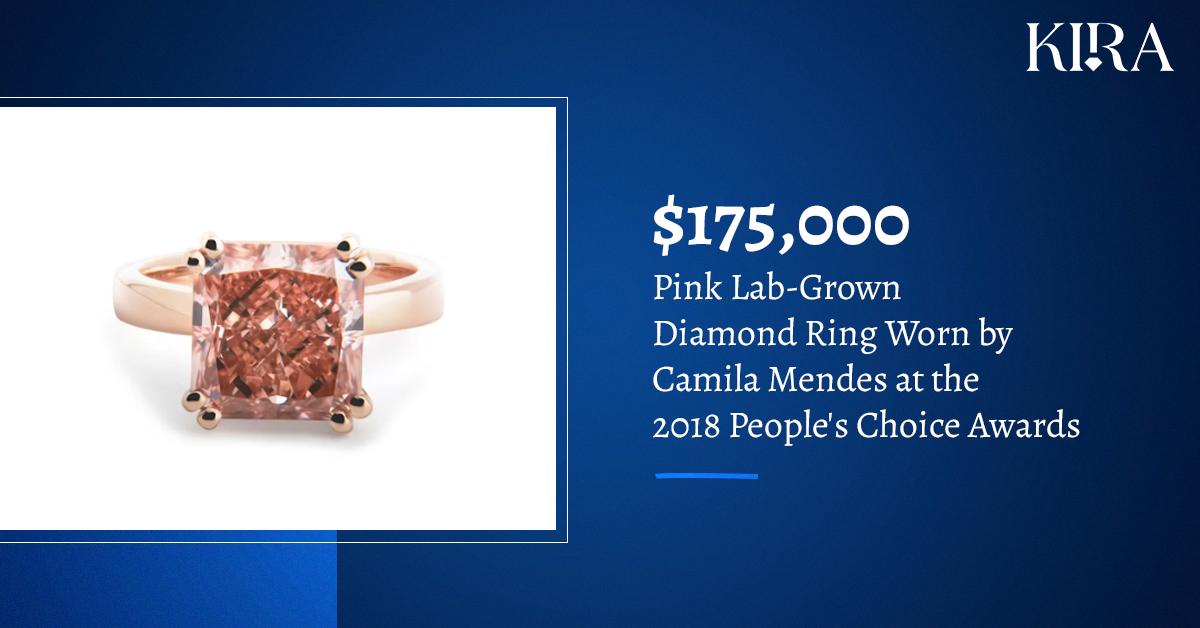
$175,000 Pink Lab-Grown Diamond Ring Worn by Camila Mendes at the 2018 People’s Choice Awards

Consider the lab-grown pink diamonds, which offer the same beautiful hue as natural pinks but at a much more accessible price point. Celebrity Camila Mendes wore a stunning 5.01-carat lab-created pink diamond to the People’s Choice Awards in 2018 is an excellent example of how lab-grown diamonds are making a significant impact in the world of high fashion. The diamond, which costs $175,000, showcases the exceptional quality and beauty that lab-grown diamonds can achieve, rivaling their natural counterparts in both appearance and prestige.
The Impact of LGD on the Diamond Industry
Changing Consumer Preferences
Today’s consumers are increasingly seeking unique and personalized items, and the jewelry industry is no exception. The rise of lab-grown diamonds is perfectly aligned with this trend, offering a level of customization that was previously unattainable. Whether it’s a teal diamond that matches your eyes or a lavender stone that complements your favorite outfit, LGDs provide endless possibilities for personalization.
The shift toward colored diamonds also reflects a broader change in consumer preferences. People are moving away from traditional, clear diamonds and embracing the vibrancy and individuality that colored stones offer. This trend is particularly strong among younger consumers, who value self-expression and are drawn to the uniqueness of colored LGDs.
Market Shifts
The rise of lab-grown diamonds (LGDs) is indeed causing significant shifts in the diamond market. According to industry analyst Paul Zimnisky, LGDs are forecasted to generate $10 billion in incremental diamond jewelry demand by 2026. This projection underscores the rapid growth and increasing popularity of lab-grown diamonds, which are expected to continue capturing a larger share of the diamond market in the coming years.
As the popularity of LGDs increases, traditional diamond mining is facing new challenges. The shift towards lab-grown diamonds is prompting the natural diamond industry to reassess its practices and market positioning to stay relevant in a changing market.
LGD’s Influence on Diamond Pricing
One of the most significant impacts of lab-grown diamonds is on pricing. By making colored diamonds more affordable, LGDs are democratizing access to what was once a luxury reserved for the elite. The lower price point of LGDs allows more people to explore and enjoy colored diamonds, leading to an increase in sales and wider acceptance of these gems.
For instance, a lab-grown blue diamond might be priced at a quarter of the cost of a natural blue diamond, making it possible for more consumers to own a piece of this mesmerizing gem. This affordability is not only changing the way people shop for diamonds but also encouraging them to experiment with bold, colorful choices they might not have considered before.
LGD and Fashion Trends
Influence on High Fashion and Couture
Lab-grown diamonds are not just making waves in the jewelry industry; they’re also influencing high fashion. Designers and luxury brands are increasingly incorporating coloured lab grown diamonds into their collections, drawn by the stones’ vibrant hues and ethical appeal. Fashion houses like Gucci and Givenchy have featured LGDs in their haute couture lines, showcasing the versatility and beauty of these gems on the runway.
One notable example is the collaboration between the luxury brand Pandora and a lab-grown diamond company, which resulted in a collection of colorful, affordable diamond jewelry. This partnership highlighted how LGDs can be both fashionable and accessible, appealing to a broad audience without compromising on style or quality.
Everyday Fashion and Jewelry
Beyond the glitz and glamor of high fashion, lab-grown diamonds are making their mark in everyday jewelry as well. The accessibility and variety of LGDs have led to a surge in colorful, everyday pieces that are perfect for adding a pop of color to any outfit. From delicate pendant necklaces featuring pastel-colored diamonds to bold, multi-stone rings, LGDs are enabling consumers to experiment with their style in ways that were previously out of reach.
Future Fashion Predictions
As lab-grown diamonds continue to gain popularity, we can expect to see them play an even larger role in fashion. Emerging trends suggest that colored diamonds will become a staple in both high-end and everyday jewelry collections. The ability to experiment with color at a lower cost means that consumers will continue to embrace bold, unconventional choices.
Looking ahead, we predict that we’ll see more collaborations between fashion designers and LGD companies, leading to innovative new designs that push the boundaries of traditional jewelry. We might also see the rise of customizable, made-to-order jewelry where consumers can choose the exact color and shape of their diamond, further blurring the lines between fashion and personal expression.
Notable Collaborations and Partnerships
Lab-grown diamonds have caught the eye of many in the fashion industry, leading to some exciting collaborations. For instance, the partnership between De Beers and the start-up Lightbox has resulted in a collection of brightly colored lab-grown diamond jewelry that is both stylish and affordable. This collaboration has been a game-changer, making high-quality colored diamonds accessible to a wider audience.
Another example is the collaboration between Swarovski and the brand Atelier Swarovski. Together, they’ve launched a line of jewelry featuring lab-grown diamonds in an array of colors, proving that luxury and sustainability can go hand in hand.
Long-term Market Impact
The long-term impact of colored LGDs on the diamond industry is likely to be profound. As these stones become more mainstream, we can expect to see further shifts in consumer preferences and market dynamics. The increased accessibility of colored diamonds could lead to a decrease in the perceived value of mined colored diamonds, particularly if consumers continue to prioritize affordability and ethical considerations.
However, the rise of LGDs also presents opportunities for innovation and growth within the industry. Brands that embrace this technology and use it to create unique, high-quality products will likely thrive in this evolving landscape.
Conclusion
Lab-grown diamonds are revolutionizing the world of colored diamonds, making these once-rare gems accessible to a broader audience and influencing fashion trends in exciting new ways. Whether it’s the affordability, the variety of colors, or the ethical appeal, there’s no denying that LGDs are here to stay. As technology continues to advance and consumer preferences evolve, we can expect to see colored LGDs playing an increasingly important role in both the diamond industry and the world of fashion.
Why is Kira a One-stop solution for Lab Grown Diamond?
CVD Diamonds Jewelry – A sustainable diamond with our ethical CVD diamond jewelry. Crafted for quality, affordability, and ethical sourcing. Explore our collection.

10 Reasons To Choose Sustainable CVD Diamonds Over Mined Diamonds
In recent years, there has been a significant shift in consumer preferences towards more sustainable options when it comes to diamonds. This trend is driven by several factors. Firstly, heightened awareness of environmental issues has prompted individuals to seek products that have minimal impact on the planet. Traditional diamond mining often involves land disturbance, water usage, and carbon emissions, leading many consumers to opt for environmentally friendly diamonds like lab-grown diamonds, which have a significantly lower environmental footprint
In today’s jewellery market, the choice between sustainable CVD (Chemical Vapour Deposition) diamonds and mined diamonds is becoming increasingly significant. In this blog, we will explore 10 compelling reasons why opting for sustainable CVD diamonds is the superior choice over traditional mined diamonds.
Here are ten compelling reasons why choosing sustainable CVD diamonds is the way forward:
1. Conflict-free Diamonds
CVD diamonds are conflict-free diamonds. They are produced in controlled laboratory environments using advanced technology, ensuring that they are free from any association with resource intensive mining practices or the trade conflicts. By choosing CVD diamonds, you can be assured that your purchase has not contributed to human rights abuses or armed conflicts in diamond-producing regions.
2. Affordable Diamonds
CVD diamonds are more affordable diamonds and offer an attractive price advantage compared to mined diamonds. They are typically priced 60 to 85 percent lower than natural diamonds of comparable quality and size. This affordability makes them accessible to a wider range of consumers, allowing more people to enjoy the beauty and luxury of diamonds without breaking the bank.
3. Improved Quality
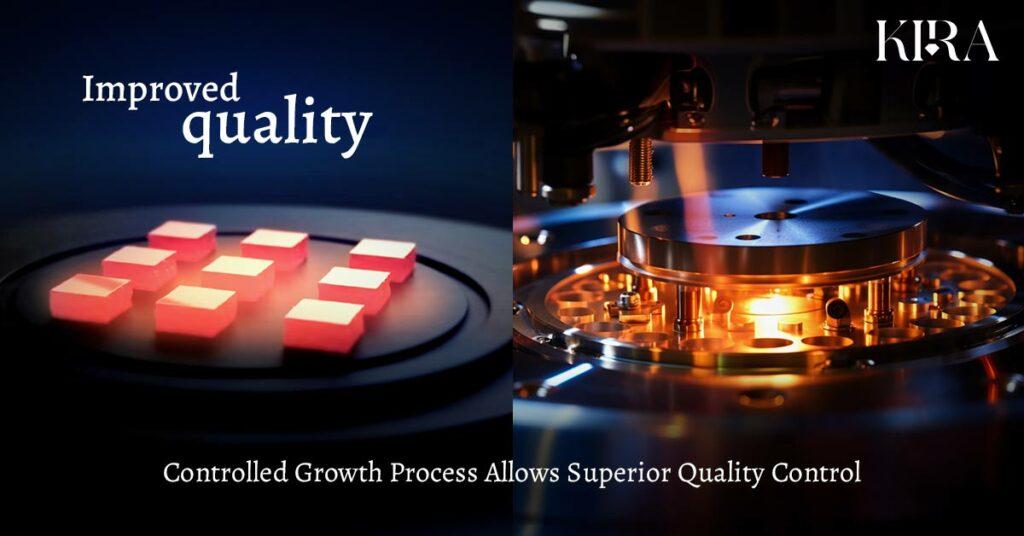
CVD diamonds are chemically identical to mined diamonds, but their controlled growth process allows superior quality control. They are produced under precise conditions that minimise impurities and inclusions, resulting in diamonds that are often even more flawless and purer than their natural counterparts. This improved quality ensures that CVD diamonds exhibit exceptional brilliance, fire, and clarity, making them highly desirable for jewellery.
4. Sustainable and Ethical
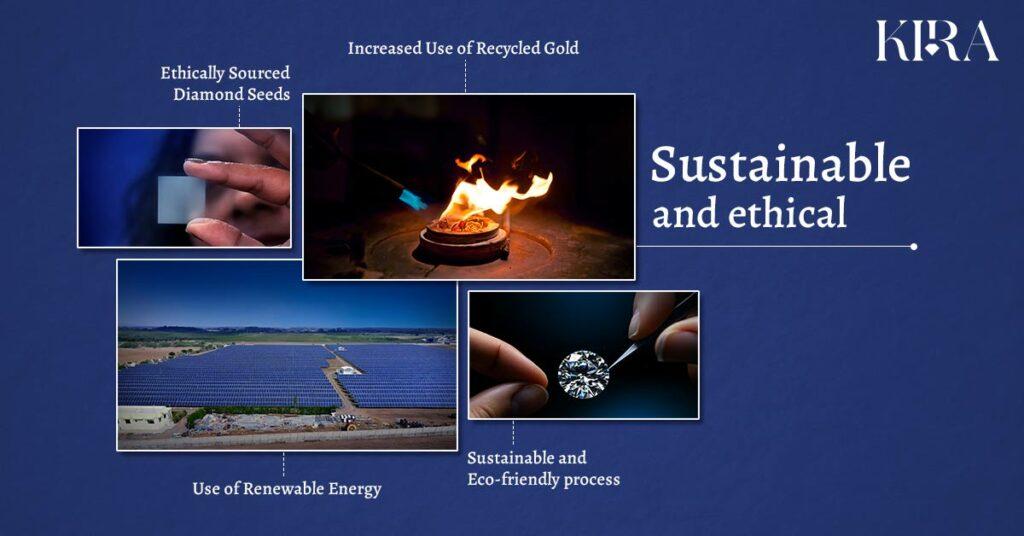
Kira’s commitment to sustainability is reflected in its manufacturing facility in India, which spans 700,000 square feet and is powered by a 25 MW solar plant.
Choosing CVD diamonds supports sustainable practices and ethical sourcing in the jewellery industry. Unlike mined diamonds, which require extensive mining operations that can cause environmental damage and harm local communities, CVDs are sustainable diamonds created using a sustainable and eco-friendly process. They do not contribute to more land & natural resources use, or use Carbon-intensive Processes making them a more environmentally responsible choice
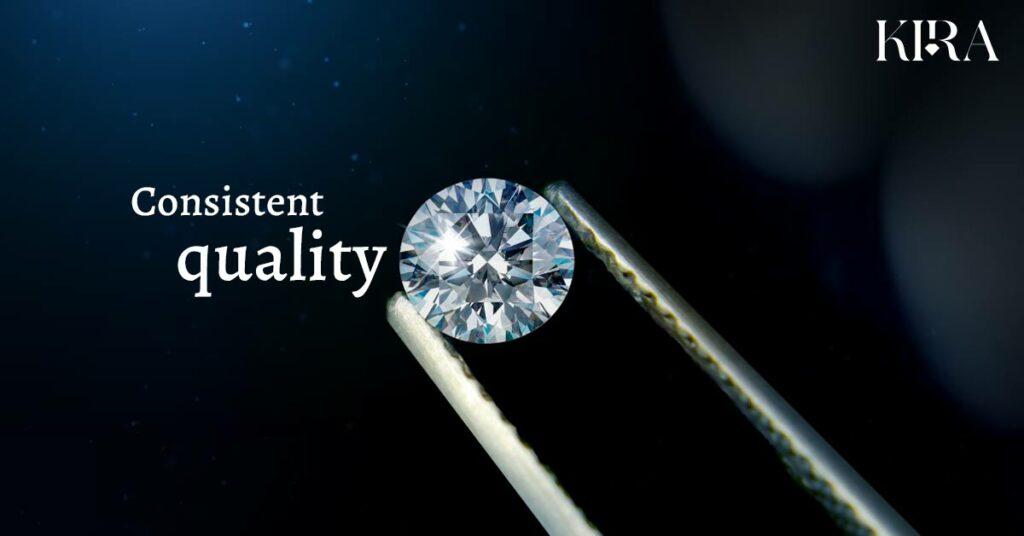
5. Consistent Quality
CVD diamonds are grown under controlled laboratory conditions, producing consistent quality across each diamond. Unlike mined diamonds, which can vary in quality and characteristics due to natural variations in geological formations, CVD diamonds offer uniformity and predictability. This reliability ensures you receive a diamond of the highest standards every time, with consistent brilliance, colour, and clarity.
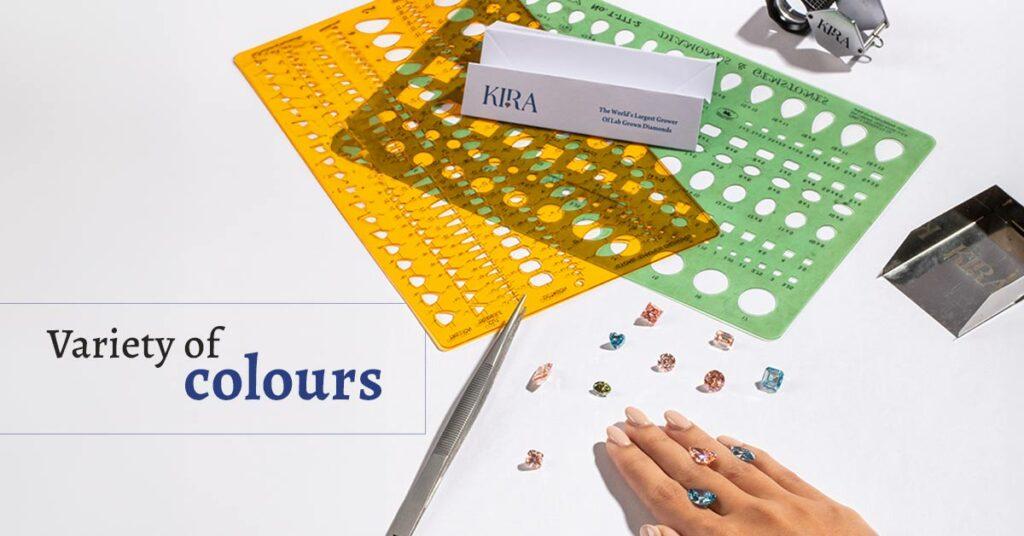
6. Variety of Colors – H2
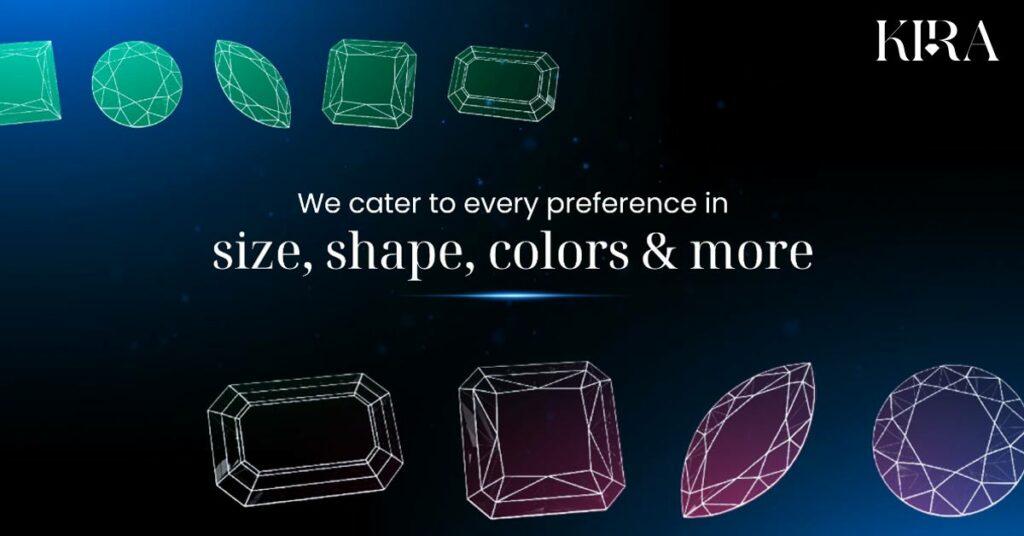
While natural diamonds are primarily known for their white colour, CVD diamonds offer a wide range of colours, including fancy hues like blue, pink, and yellow. These colours are achieved by introducing specific trace elements during the diamond growth process. This variety allows for greater customization and personalisation options, enabling you to create unique and distinctive jewellery pieces that reflect your style and preferences.
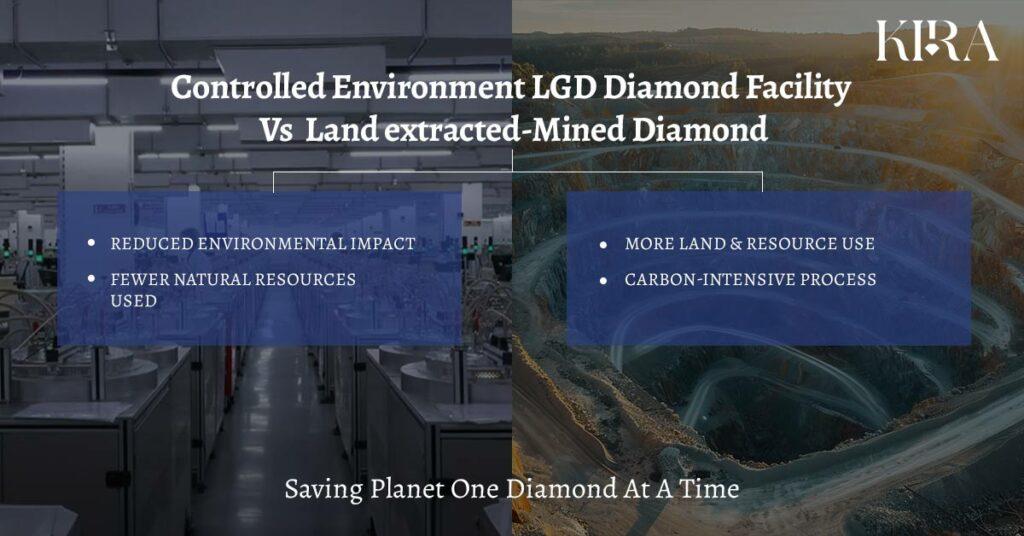
7. Saving the Planet
By choosing CVD diamonds, you actively support environmental conservation efforts. These diamonds help minimize the environmental impact associated with traditional diamond mining, including land alteration, habitat impact, and carbon emissions. Since CVD diamonds are created in controlled laboratory environments, they use significantly fewer natural resources and generate lower carbon emissions compared to mined diamonds, making them a more sustainable choice for environmentally conscious consumers.
8. Bigger Diamond for an Affordable Price
With CVD diamonds, you can enjoy a larger diamond for a more affordable price compared to mined diamonds. The cost savings associated with CVD diamonds allow you to upgrade to a bigger and more impressive stone without exceeding your budget. This means that you can indulge in luxury and extravagance without compromising on quality or value, making CVD diamonds an excellent investment for those seeking maximum impact and visual appeal.
9. Customisation Options
CVD diamonds offer extensive customisation options, allowing you to create unique and bespoke jewellery pieces tailored to your preferences. Whether it’s a specific cut, shape, size, or setting, CVD diamonds can be customised to meet your exact specifications. This flexibility enables you to design one-of-a-kind pieces that reflect your individuality and style, ensuring that your jewellery stands out from the crowd and becomes a cherished heirloom for generations to come.
10. Innovation and Technology
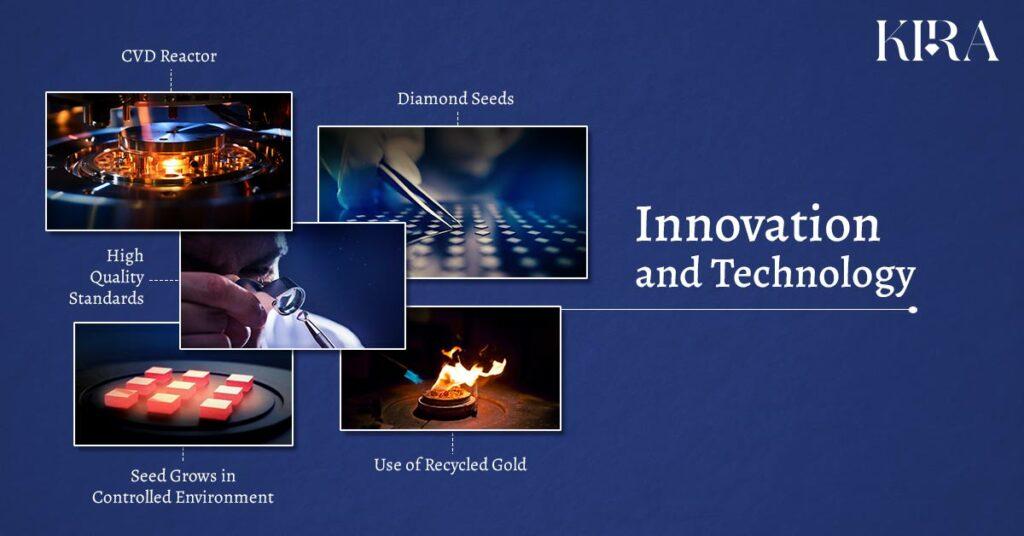
CVD diamonds are produced using advanced scientific techniques that allow precise control over the diamond growth process, unlike mined diamonds. This enables continuous advancements in diamond synthesis and jewellery manufacturing, contributing to the industry’s evolution. By choosing CVD diamonds, you support innovation and progress in the quest for sustainable luxury.
Conclusion
In conclusion, the benefits of choosing sustainable lab-grown diamonds over mined diamonds are undeniable. From ethical and environmental considerations to affordability, quality, and customisation options, lab-grown diamonds offer a superior alternative that aligns with modern values and preferences. By switching to CVD lab-grown diamonds, you acquire a beautiful and valuable gem and support a more responsible and sustainable future for the jewellery industry.
If you want to enhance your retail collection with CVD diamonds, look no further than Kira Diam, the largest producer of CVD lab-created diamonds. Our CVD diamonds are manufactured in a laboratory powered by a 25 MW solar plant, ensuring sustainable and environmentally friendly production practices. Our innovative process uses six times less water than traditional diamond production methods, contributing to conservation efforts while maintaining high-quality standards in diamond manufacturing. Embrace the sustainable revolution in the jewellery industry with us today.
How Kira Makes Sustainable Lab Grown Diamonds: A Complete Seed to Diamond Production Process
CVD Diamonds Jewelry – A sustainable diamond with our ethical CVD diamond jewelry. Crafted for quality, affordability, and ethical sourcing. Explore our collection.
CVD vs HPHT Diamonds: Which is the Better Manmade Diamond Manufacturing Process?
According to a report by The Brainy Insight, the global lab-grown diamond market has surged to unprecedented heights, reaching a staggering value of $10.8 billion in 2022. The industry is expected to grow at a CAGR of 6.7% from 2023 to 2032 to reach $20.6 billion. This monumental figure not only underscores the exponential growth of the lab grown diamond and jewelry industry but also heralds a transformative era in the world of gemstones.
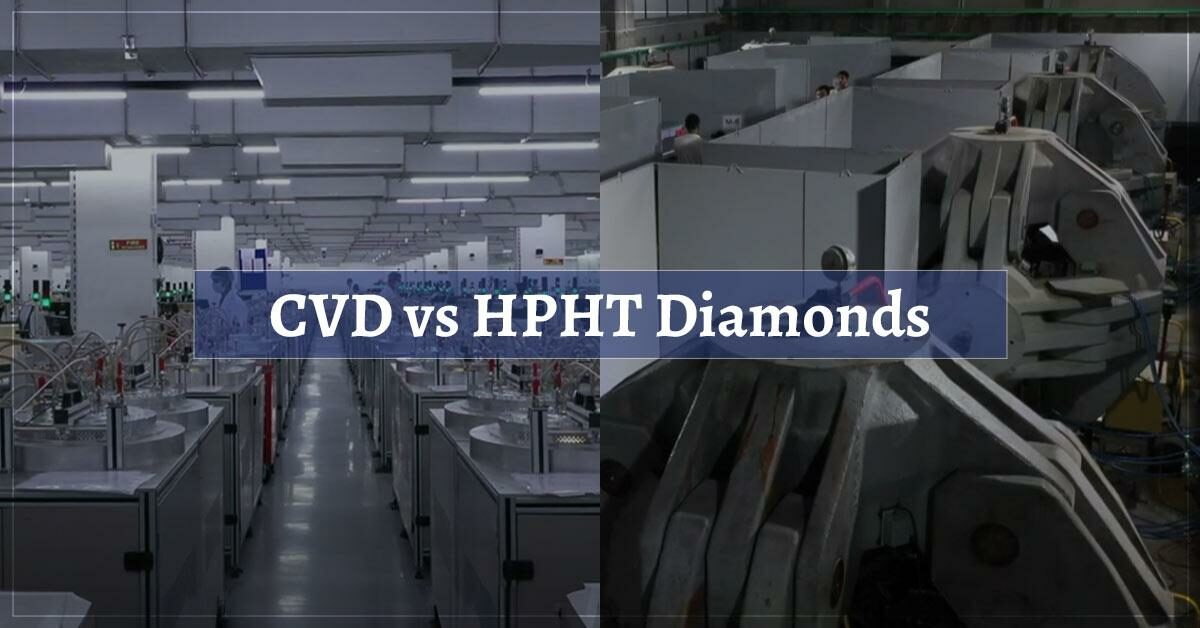
In the wake of this paradigm shift, wholesalers, retailers, and consumers alike are confronted with a monumental choice between two groundbreaking manufacturing processes: Chemical Vapor Deposition (CVD) and High-Pressure High-Temperature (HPHT). As the demand for sustainable and ethically sourced diamonds continues to soar, understanding the intricacies of these cutting-edge technologies becomes paramount. These methods have revolutionised the diamond industry, offering an alternative to natural diamonds with comparable quality and characteristics.
CVD Diamond Production
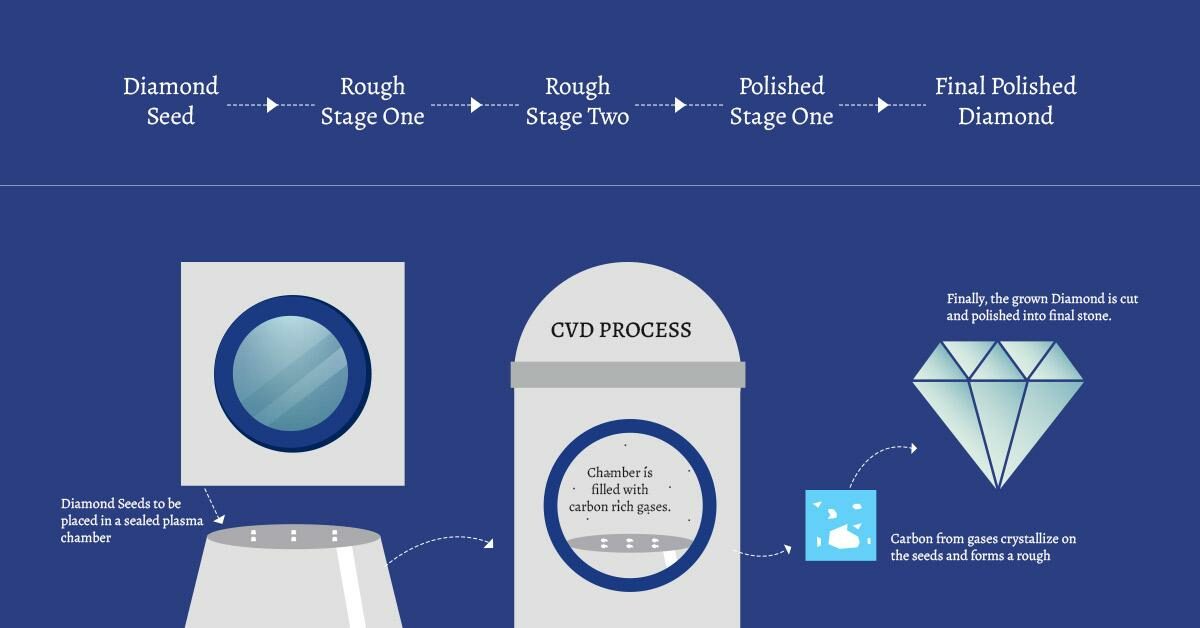
Chemical Vapor Deposition (CVD) is a cutting-edge technology used to grow lab-grown diamonds. In this process, a diamond seed is placed in a vacuum chamber filled with a hydrocarbon gas such as methane. Microwave energy is then applied to heat the gas into a plasma, causing carbon atoms to separate and bond with the diamond seed plate. This results in the growth of diamond layers over days or weeks.
Advantages of CVD Diamonds
- Precision in Manufacturing: CVD technology allows for precise control over the growth process, resulting in diamonds with consistent quality and characteristics.
- Cost-Effectiveness: Compared to HPHT, CVD diamond production is more cost-effective due to the smaller and less expensive equipment required.
- Environmental Benefits: CVD reactors consume less energy and are more environmentally friendly compared to HPHT presses, making them a sustainable choice for diamond manufacturing.
HPHT Diamond Manufacturing
High-pressure High-temperature (HPHT) is another method used to create lab-grown diamonds. This process involves subjecting a diamond seed to immense pressure (around 1 million PSI) and high temperatures (exceeding 1500 degrees Celsius) similar to those found below the Earth’s crust. The pressure and temperature conditions cause carbon atoms to bond and form diamond layers around the seed.
Key Features of HPHT Diamonds
- Natural-Like Characteristics: HPHT diamonds exhibit characteristics similar to natural diamonds, including high transparency and purity levels.
- Unique Colouration: HPHT diamonds can exhibit unique colouration due to boron or nitrogen impurities, adding to their aesthetic appeal.
- Diverse Applications: HPHT diamonds have applications in both jewelry and industrial sectors due to their high quality and durability.
Quality of CVD and HPHT Diamonds
Dislocation Density
- CVD diamond shows a comparatively low dislocation density compared to HPHT diamond due to the high-quality HPHT diamond substrate.
- Dislocation density in CVD diamond is observed to be below 1 nm on both sides.
Impurity Concentration
Substitutional nitrogen (Ns) impurity concentration:
- CVD diamond: 2.1 ppb
- HPHT diamond: Several tens ppb
The concentration of Ns impurities in CVD diamond is significantly lower compared to HPHT diamond.
Detector Energy Resolution:
- HPHT diamond detector: 2.04%
- CVD diamond detector: 0.86%
The energy resolution of CVD diamond detectors is significantly better compared to HPHT diamond detectors.
Charge Collection Efficiency (CCE) Under positive voltage:
- HPHT diamond detector: 38.11%
- CVD diamond detector: 86.65%
The CCE of CVD diamond detectors is significantly higher compared to HPHT diamond detectors under positive voltage.
Cost Factors
In terms of cost, CVD and HPHT diamonds vary based on production methods, equipment requirements, and market demand.
Comparative Cost Analysis
- CVD Diamonds: CVD diamond production is more cost-effective compared to HPHT due to smaller and less expensive equipment.
- HPHT Diamonds: HPHT diamond production requires large and expensive presses, leading to higher production costs compared to CVD.
Market Trends
In the current market, both CVD and HPHT diamonds have their own share of demand and popularity.
Current Market Trends for CVD Diamonds
- Growing Demand: CVD diamonds are experiencing a surge in demand due to their cost-effectiveness and sustainable manufacturing process. The Brainy Insight report also states that of the 10.8 billion market valuation of LGD, 52% was occupied by the CVD segment.
- Certification: Certified lab grown diamonds, especially those certified by reputable organisations like the International Gemological Institute (IGI), are gaining traction among consumers.
Future Projections for CVD and HPHT Diamonds
- CVD Growth: The CVD diamond market is expected to continue growing as technology advances and production processes become more efficient.
- HPHT Demand: HPHT diamonds may remain popular in niche markets, especially among consumers seeking unique colourations.
Applications and Uses
Both CVD and HPHT diamonds find applications in various industries, including jewelry, electronics, and industrial sectors.
Industrial Applications of CVD Diamonds
- Jewelry: CVD diamonds are used in jewelry due to their precision, natural-like properties and low cost of production.
- Electronics: CVD diamonds are used in various electronic applications, including semiconductors and thermal management systems, due to their high thermal conductivity and electrical properties.
- Cutting Tools: CVD diamonds are also used in cutting tools and abrasives, offering superior hardness and wear resistance compared to natural diamonds.
Jewelry and Industrial Uses of HPHT Diamonds
- Jewelry: HPHT diamonds are popular in fine jewelry due to their natural-like characteristics and unique colourations.
- Industrial Tools: HPHT diamonds find applications in industrial tools and equipment, including drill bits and saw blades, owing to their hardness and durability.
Scalability and Production Volume
When it comes to scalability and production volume, CVD has an advantage over HPHT.
Scalability of CVD Diamond Production
- Efficiency: CVD diamond production is highly scalable, allowing for efficient mass production of diamonds to meet market demands.
- Flexibility: CVD reactors can be easily scaled up or down based on production requirements, offering flexibility to manufacturers.
Production Volume Capabilities of HPHT
- Limited Scalability: HPHT diamond production is less scalable compared to CVD, as it requires large and expensive presses that are less flexible in terms of production volume.
- Specialised Applications: HPHT diamonds are often produced in smaller volumes for specialised applications, limiting their scalability in mass production scenarios.
Technology Comparison
In terms of technology, CVD and HPHT processes have distinct differences and ongoing advancements.
Technical Differences Between CVD and HPHT Processes
- Growth Environment: CVD diamonds are grown in a vacuum chamber using hydrocarbon gas, while HPHT diamonds are grown under high pressure and temperature conditions similar to those found below the Earth’s crust.
- Control and Precision: CVD technology allows for precise control over the growth process, resulting in consistent quality and characteristics, while HPHT technology provides less precision.
Innovations and Advancements in Each Technology
- CVD Advancements: Ongoing advancements in CVD technology are focused on improving efficiency, reducing production costs, and enhancing diamond quality through process optimisation and equipment innovation.
- HPHT Innovations: HPHT technology continues to evolve with advancements in press design, temperature and pressure control, and growth chamber optimisation, leading to higher quality and larger diamond production.
Recommendations for Wholesale Buyers
For wholesale diamond buyers, partnering with reputable lab grown diamond companies is essential. Conducting comparative cost analyses and evaluating quality factors such as purity, clarity, and market demand will aid in making informed decisions. Additionally, staying abreast of market trends and technological advancements will ensure alignment with evolving consumer preferences and industry standards.
At Kira Jewels, we are leading the way in this monumental change in the diamond and the diamond jewelry industry. As the largest grower of CVD lab-grown diamonds globally, we acknowledge the significance of providing eco-conscious and ethically obtained diamonds to our clientele. Our dedication to sustainability goes beyond mere rhetoric; it is deeply embedded in our operations and methodologies.
💎 Biggest Manufacturing Facility
- Spread across 700,000 sq.ft.
- Powered by a 25 MW solar plant
💎 Dedicated to Innovation and Woman Empowerment
- 4000+ artisans
- Run by a 70% female workforce
💎 Leading the Charge in Production Capacity
- 60,000+ certified stones
- 0.15 to 10+ CTS product range
Check out our inventory to get a closer look at our range of offerings.
Future Outlook for CVD and HPHT Diamonds
The future outlook for lab-grown diamonds is optimistic, with both CVD and HPHT technologies poised for growth and innovation in the lab-grown diamond industry. However, CVD continues to gain significant traction across the world due to higher purity and quality control, better color & clarity, rapid size and production speed, and more cost-effectiveness as compared to their counterparts.
Kira remains the prime manufacturer of CVD diamonds with our extensive commitment to lab-grown diamond manufacturing. Learn more about our diamond manufacturing practices here.